
Ceylon Coast Day Excursion
Itinerary In Brief
One-day trip around the West Coast and the south of the country
Package Description
Turtle hatchery, motorboat trip on the Madu River with 66 islands and mangrove forests, catamaran raftsmen, tropical birds, shrimp and crab traps, monkeys, monitor lizards, Vishnu temple, Buddhist temple, cinnamon plantation and cinnamon factory, demonstration of local coconut twine production and palm leaf roofs, daily life of local people. The oldest mask factory and museum in Ambalangoda, moonstone mine in Meetiyagoda, Tsunami remains with monuments commemorating the great wave, sea turtles in the ocean in Hikkaduwa (not guaranteed), 17th century Dutch Fort in Galle (UNESCO), lowland tea plantations, tea factory with tasting, stilt fishermen, lunch at a fusion restaurant. Optional: Train journey .
Package Includes
- Service of a English Speaking Driver Guide.
- Transportation in an Air-Conditioned Car / Micro or Mini Coach – As per to the number of clients.
- All taxes.
Package Excludes
- Entrance fees to the places mentioned in the program. (Payment can be made direct at site in LKR).
- Lunch cost through-out the tour. We will assign all Sri Lankan Authentic Restaurants so that clients and pick and choose and pay directly.
Day 1 One-day trip around the West Coast and the south of the country
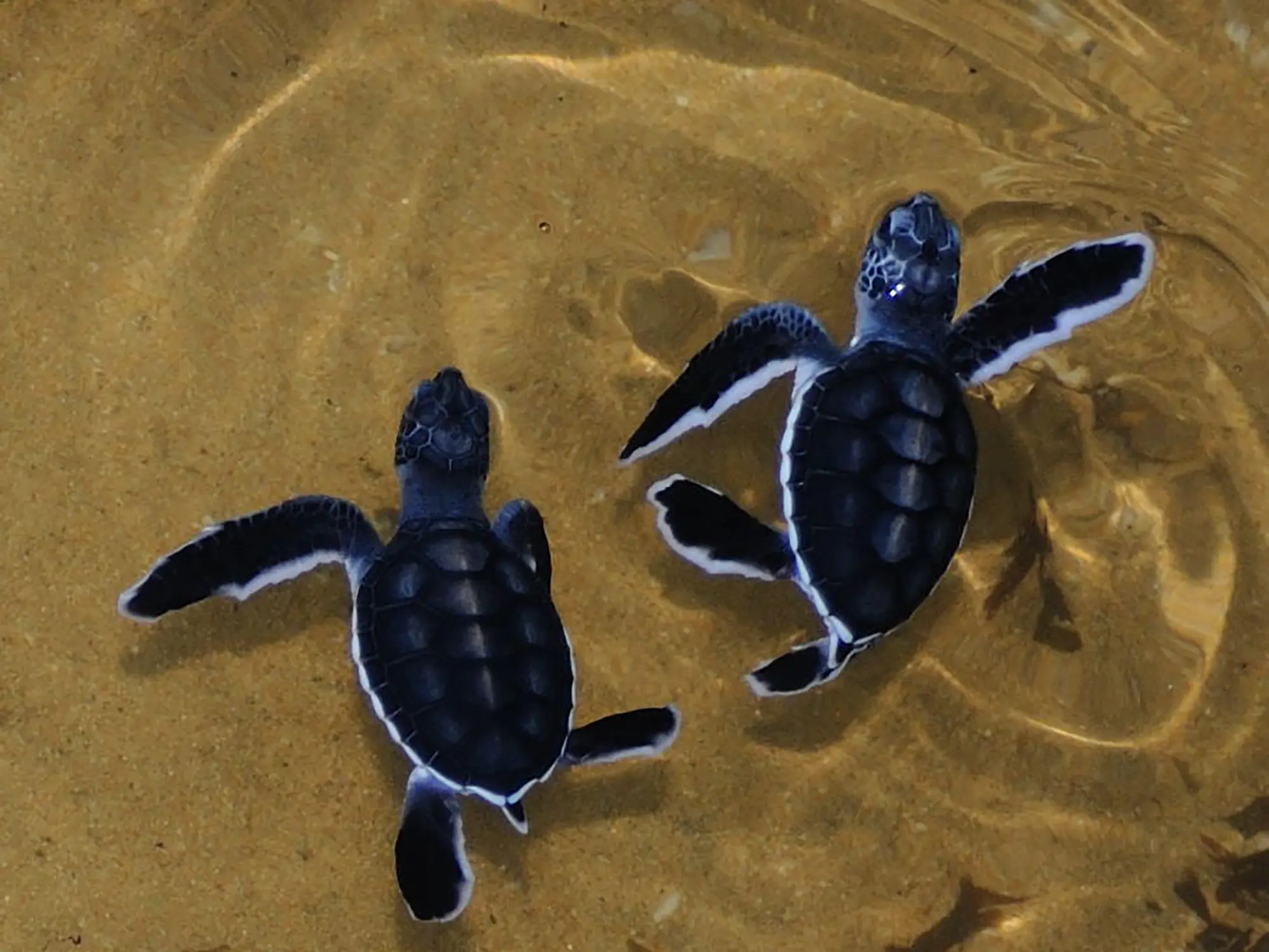
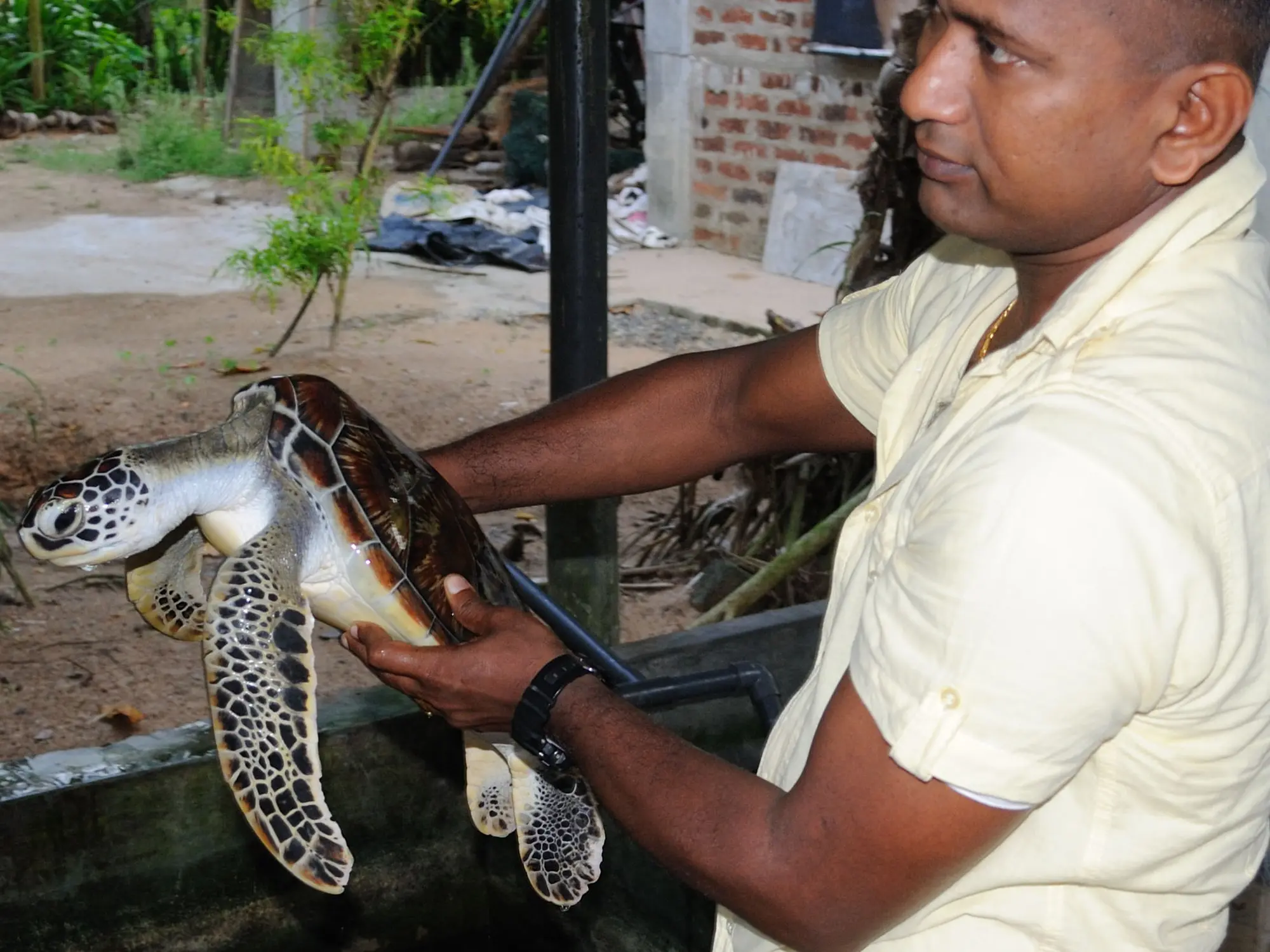
Departure from the hotel after breakfast to visit the nearby sea turtle hatchery near Kosgoda. These are private plants that collect eggs laid by turtles on the beaches of Sri Lanka in order to protect them from predators until the young turtles hatch. The aim is to increase the world’s sea turtle population. 5 out of 6 sea turtles arrive in Sri Lanka. This is an opportunity to learn about the habits of these majestic reptiles as well as find out what problems they struggle with in today’s highly civilized world.
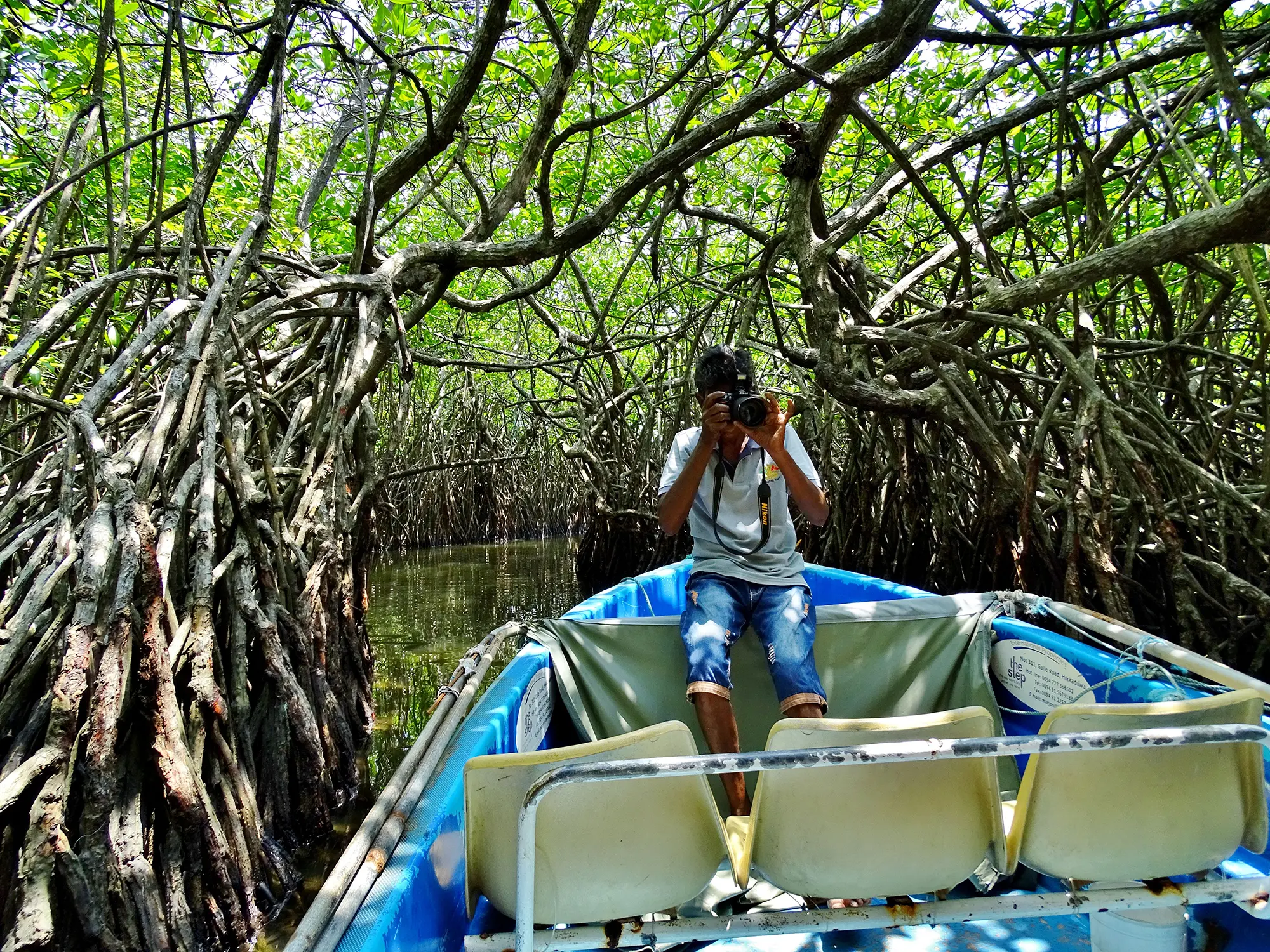
After visiting Kosgoda, we will go to a small port located on the short but extensive Madu River, from where we will start our motorboat safari. There are 66 islands and islets on the river, some of which are inhabited by people and others are inhabited only by wild animals. During the cruise, you will be able to see the everyday, simple life of the inhabitants of the Madu delta, who mainly deal with fishing, obtaining crabs and shrimp, and catching river sand for the construction industry. A common sight is laughing children bathing in the shallow and warm waters of the river, women washing clothes on the shore, or fishermen preparing their boats for a cruise on the ocean.
A real attraction is a stupa massage combined with pilling on fish farms (additionally paid approx. USD 1 per 20 minutes) . Carp – similar ones will precisely cleanse your feet of unnecessary epidermis. During the cruise, we will see a small temple of the god Vishnu located on an abandoned rocky island, as well as visit Cinnamon Island, where the Cinnamon Lady and the Cinnamon Man grow one of the most popular spices in the world – Ceylon cinnamon. We will see how cinnamon is obtained from cinnamon tree trunks, and we will also learn how cinnamon oil, which is extremely useful in Sri Lanka, is obtained. The locals will show us how to build roofs from palm leaves or how to obtain string from coconut shells.
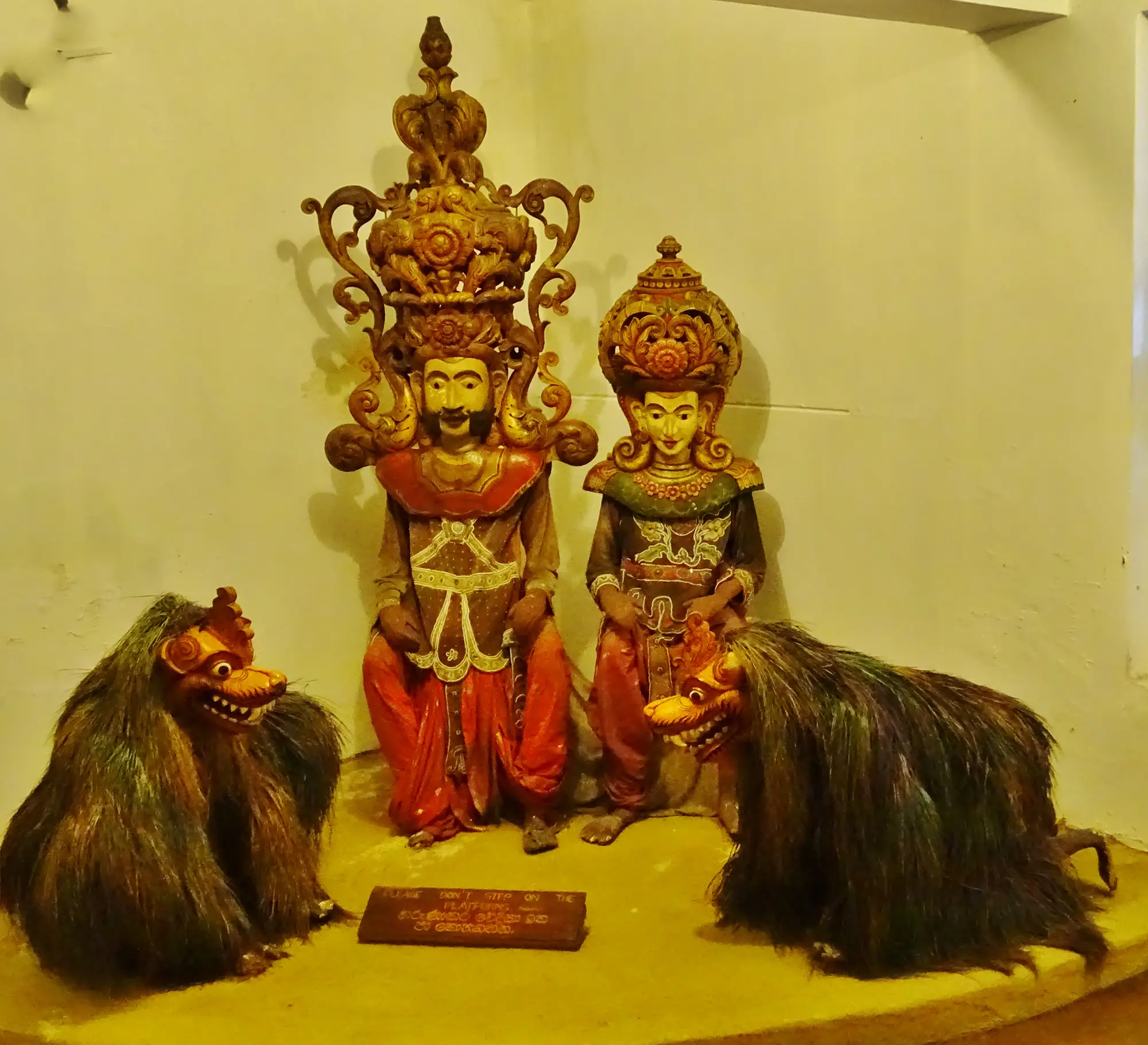
The next point on our sightseeing program will be the mask museum in Ambalangoda – a town known for the production of theatrical, magical and healing masks typical of many equatorial countries. The museum was established at the end of the 18th century and despite its small size, you can learn a lot of interesting information about the tradition of making not only masks but also puppets used in puppet theater performances for children. In this place you can admire extremely skillfully made masks. There will also be an opportunity to buy these sculptural masterpieces.
After visiting Ambalangoda, we will leave the main road Galle Rd and go a few kilometers through the narrow streets of the south to the town of Meetiyagoda, where numerous moonstone mines are located. The cheapest gemstones are abundant here, but Sri Lankans eagerly look for stones with a blue glow, which are much less abundant than milky or transparent ones. We will not only see an active mining shaft where stones are laboriously extracted, but also watch the work of grinders and goldsmiths setting processed moonstones into jewelry. Those interested will be able to buy jewelry or stones themselves.
The next point on our agenda is the section of the route leading south, where a trained eye can spot the remains of the Tsunami. In this area there is also a thirteen-meter-tall Buddha statue closely observing the ocean. Its height shows the height of the highest, catastrophic wave that hit Sri Lanka on a December morning in 2004. A little further south, on the main road, there is a monument – a bas-relief commemorating the largest railway disaster in the world in terms of fatalities.
Nearby, in palm groves, sap from coconut flower buds is collected and used by local residents to produce the most popular alcoholic drink on the island called arak, which is nothing else than a distillate of juice obtained in this way from the palm crowns. With a bit of luck, we will see “todi” collectors moving in the crowns of coconut palms from one tree to the next on coconut strings that constitute the arteries of this coconut forest.
Sometimes you can see groups of people on the beach near the ocean. These are fishermen who use an old, ineffective way of catching sea fish using fishing nets thrown several hundred meters into the ocean. They pull out ropes to which fishing nets are attached. They work in teams, from which rhythmic sounds of commands come from, allowing them to optimize the arduous task of pulling the net, which poses considerable resistance, to the shore in order to get to the fish caught in this way.
Most of the road to Galle is located in close proximity to ocean beaches, so the opportunity to learn about their diverse nature will undoubtedly be an attraction. We will also pass fishing ports with a mosaic of colorful boats and fishing boats bobbing in the calm waters of bays, filled with a typically Asian bustle of cities and towns with colorful bazaars, shops, service establishments, Buddhist and Hindu temples as well as majestic Catholic churches or the Kaba stone-facing churches. in Mecca, mosques for the followers of Islam.
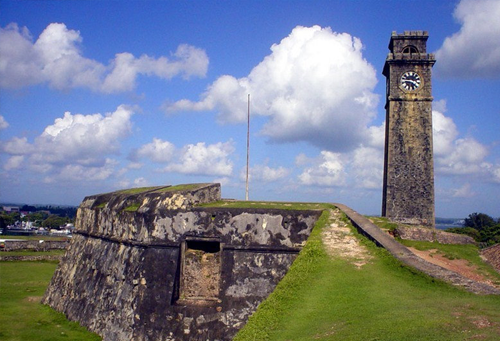
In Galle, one of the largest metropolises in Sri Lanka, we will visit a UNESCO-listed 17th-century Dutch fort built from the remains of a coral reef and stones, where the town’s buildings, bastion and defensive walls have remained virtually untouched by time to this day. We will enter one of the bastions, walk along the embankment and, if the weather is favorable, we will go for a while to the local city beach, where the main guests are local residents looking for refreshment in the pleasant, safe, wave-free Indian Ocean, which maintains the same water temperature all year round. . It is worth visiting the Anglican Church of All Saints as well as the Dutch Reformed Church built in 1755. On the fort’s ramps you will notice couples of lovers shielded from the sight of outsiders with umbrellas, and local souvenir sellers will be promoting their wares on every corner.
From Galle we will go further south to meet fishermen catching predatory fish, which in turn try to catch sardines from the schools swirling at the mouth of the rivers. The view is typical for this part of Sri Lanka, but now, due to the popularization of this type of activity, some fishermen have stopped fishing and are trying to raise money by allowing tourists to climb a mossy pole and take a “fisherman’s photo”.
Before lunch, we will visit lowland tea plantations which, at least to some extent, may try to reflect the atmosphere of the high mountains known from Sri Lanka’s advertising brochures. We will also visit a tea factory to learn about the extremely complicated but fascinating method of producing this most popular drink after water in the world. We will also participate in a tasting of various types of tea produced in Sri Lanka. In the factory store you can buy all types of tea at prices much lower than in Europe.
At the end of an extremely intensive sightseeing program, we will have lunch in a guesthouse run by Poles for two decades. Basia, a gastronome, prepares the most inventive dishes combining exotic Sri Lankan cuisine with the best Polish culinary school. On the premises of the center, the Poles breed ducks and goats, and they are often visited by a friendly gang of monkeys – white-bearded langurs and peacocks. On the premises, numbered mud turtles live and govern themselves and in the garden there are countless species of different fruit trees. Basia and Artur have many interesting stories to tell from their lives in Ruchunu – a specific region of the Democratic Socialist Republic of Sri Lanka. With full bellies, we will set off on the highway on the way back to the hotel. For those interested, it is possible to reach the hotel by Sri Lankan train.
The tour will end in the early evening at the hotel where it started.
Need Help?
Have questions about our tours or need help deciding the best fit for you? We're here to assist! Feel free to reach out anytime for personalized guidance and recommendations. Your perfect adventure awaits – let's make it happen together!